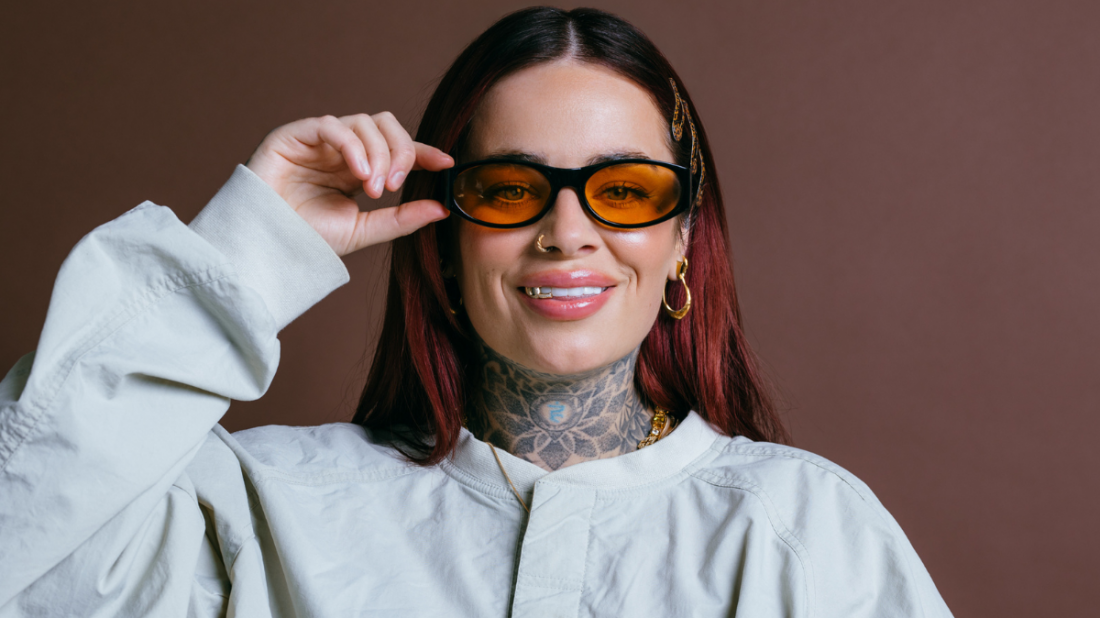
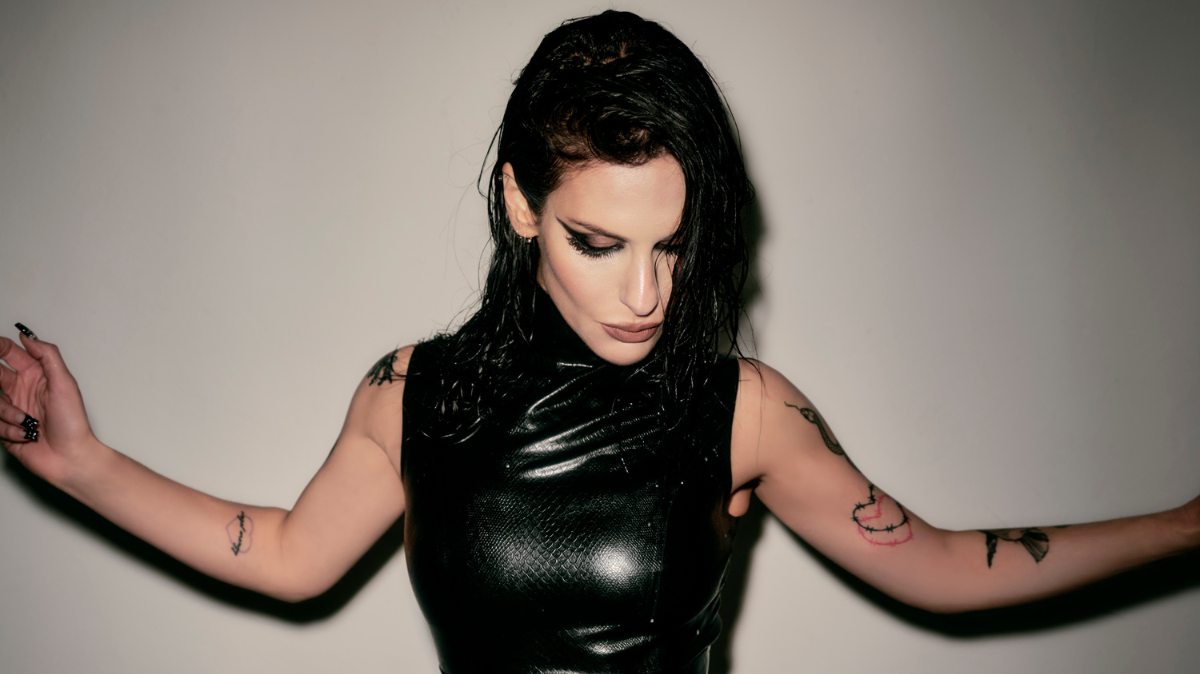
REBEKAH: «WE ARE IN THE BIGGEST #METOO MOMENT IN ELECTRONIC MUSIC»
Your new album Industrial Mind has been described as a turning point in your artistic identity. What changed for you creatively between your previous work and this record?
The album is the accumulation of the past years of digging deeper into other genres, being way more open to melody, vocals and a fresher sound palette. After covid I felt a little stuck and as the BPMs rose and this cleaner hard techno sound emerged I took some years to really find new inspiration and influences. It has been many years in the process.
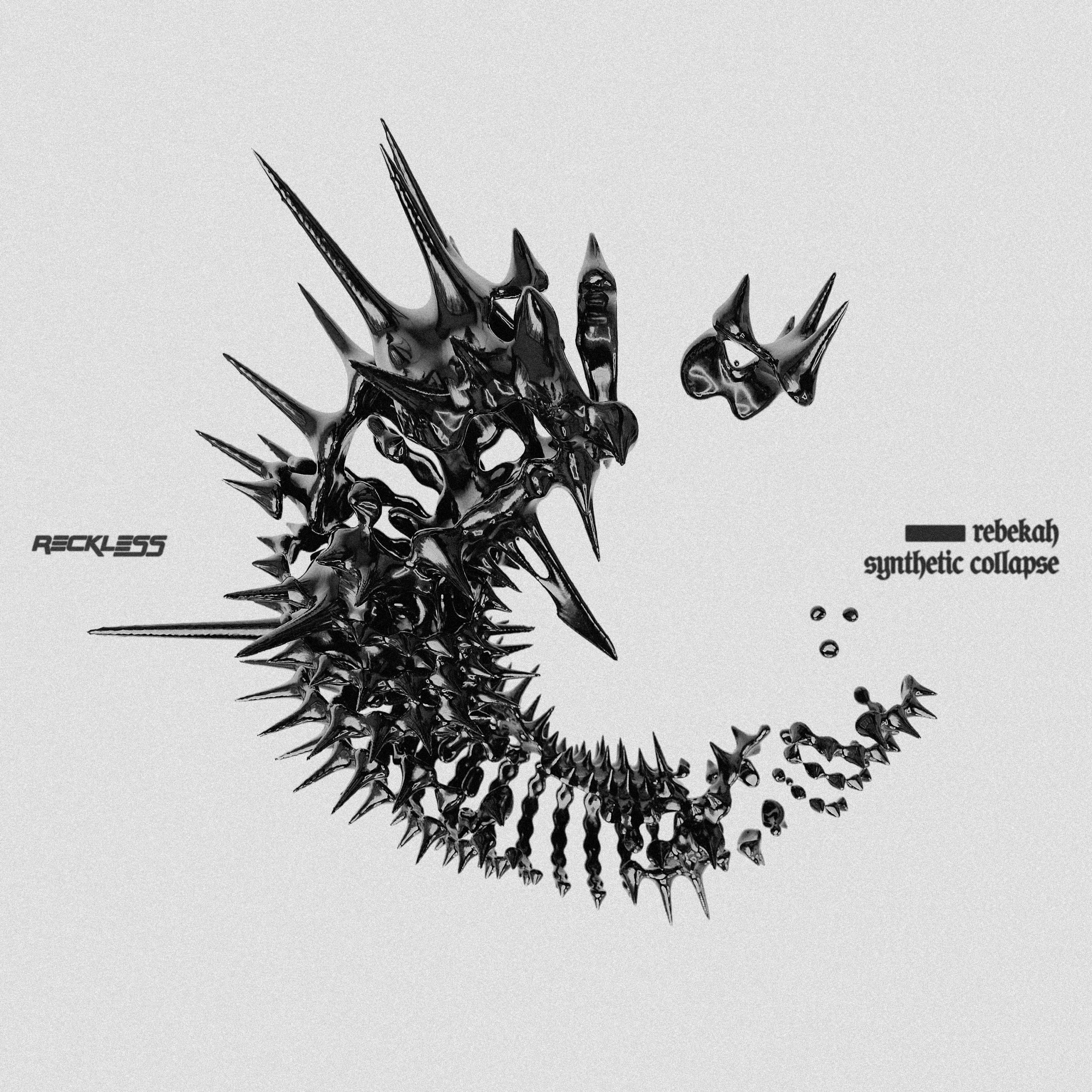
In the press release you mention that the album feels like “a homecoming” and a rediscovery of your voice. What led you to that moment of clarity?
I always say it’s impossible to escape yourself as an artist, there will always be core elements within your music that will not change. So Industrial Mind is a reference to that, no matter what I want to make it will always come out in a Rebekah way. The industrial kicks and vibe will always be present.
Over the last few years the hard techno scene has exploded globally. Did that movement influence the direction of Industrial Mind, or were you reacting to it in your own way?
I would say I reacted to it in my own way. Most of the hard techno that leans more commercial is way too clean and functional for me. That’s why I spent the last years listening more to hardcore, it felt like a natural progression from industrial techno. What I really appreciate is that there is space for all of the harder sounds and in the last year we are changing from everyone playing the same set to DJs having their own sound again. It’s maturing and evolving.
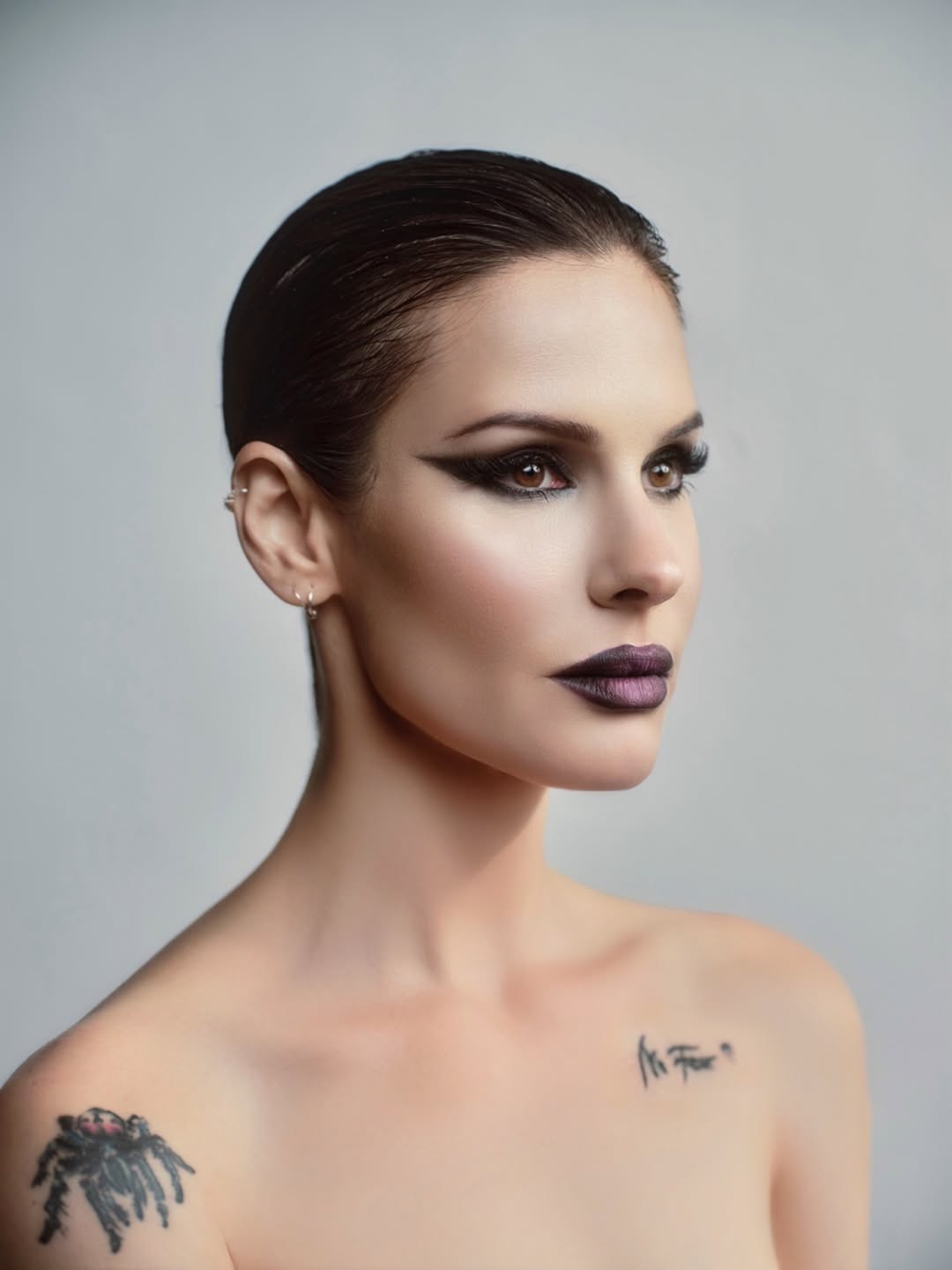
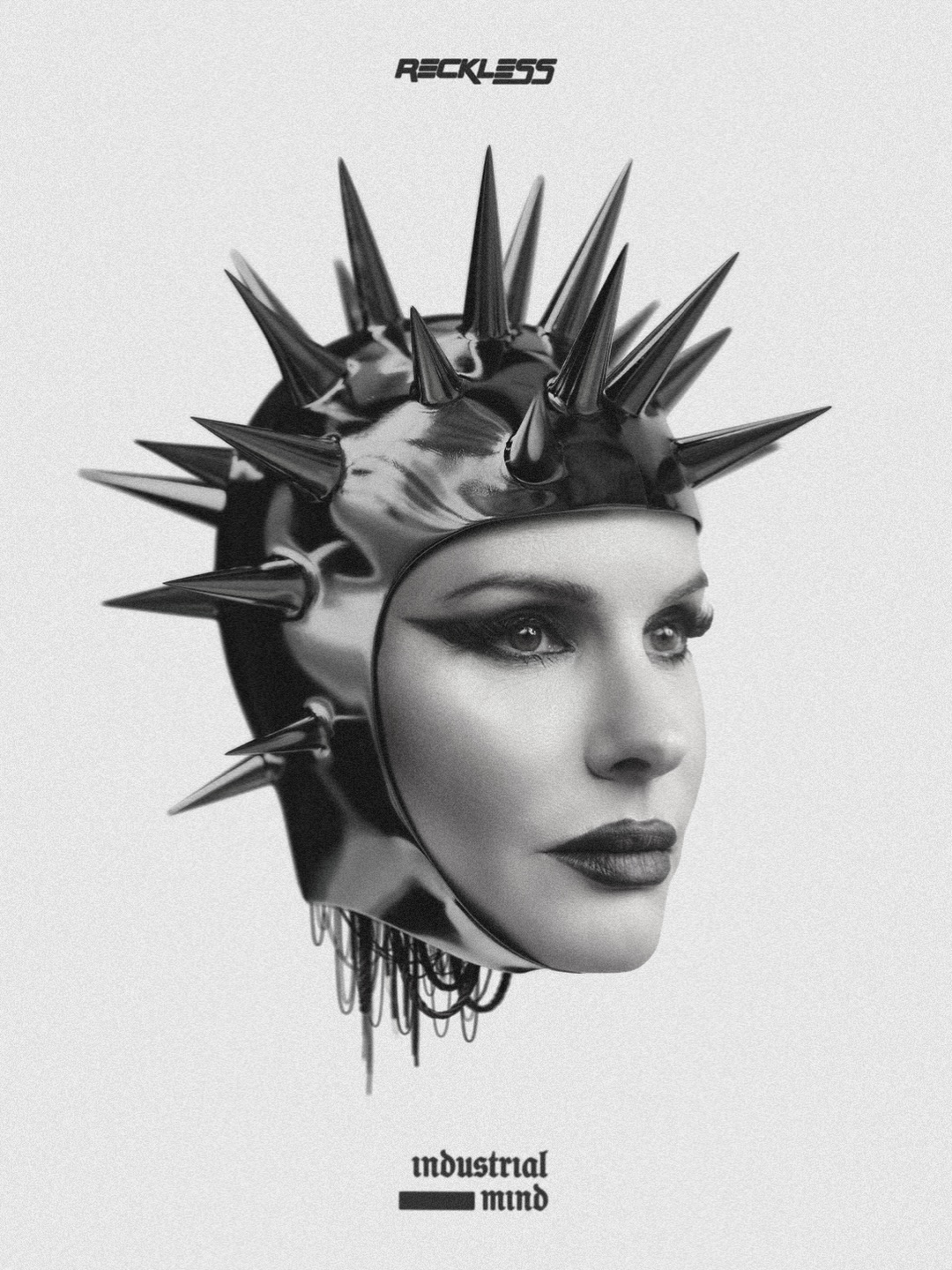
The album moves between industrial techno, hardcore energy and experimental textures. When you started writing it, did you have a clear sonic vision, or did the sound evolve organically?
The album project had been in my mind for years, but I was blocked. Last year something shifted and I was able to make music again. After a few tracks I felt ready to fully commit and collaborate with the right people.
Tracks like Industrial Mind, Biggest Baddest Mother or Synthetic Collapse feel extremely physical on the dancefloor. How important is sound design for you?
I really aimed for the whole album to be playable. My first album was more personal and deeper, but with this one I wanted dancefloor energy. The industrial sounds have been part of my productions for over 10 years, and they are part of my signature.
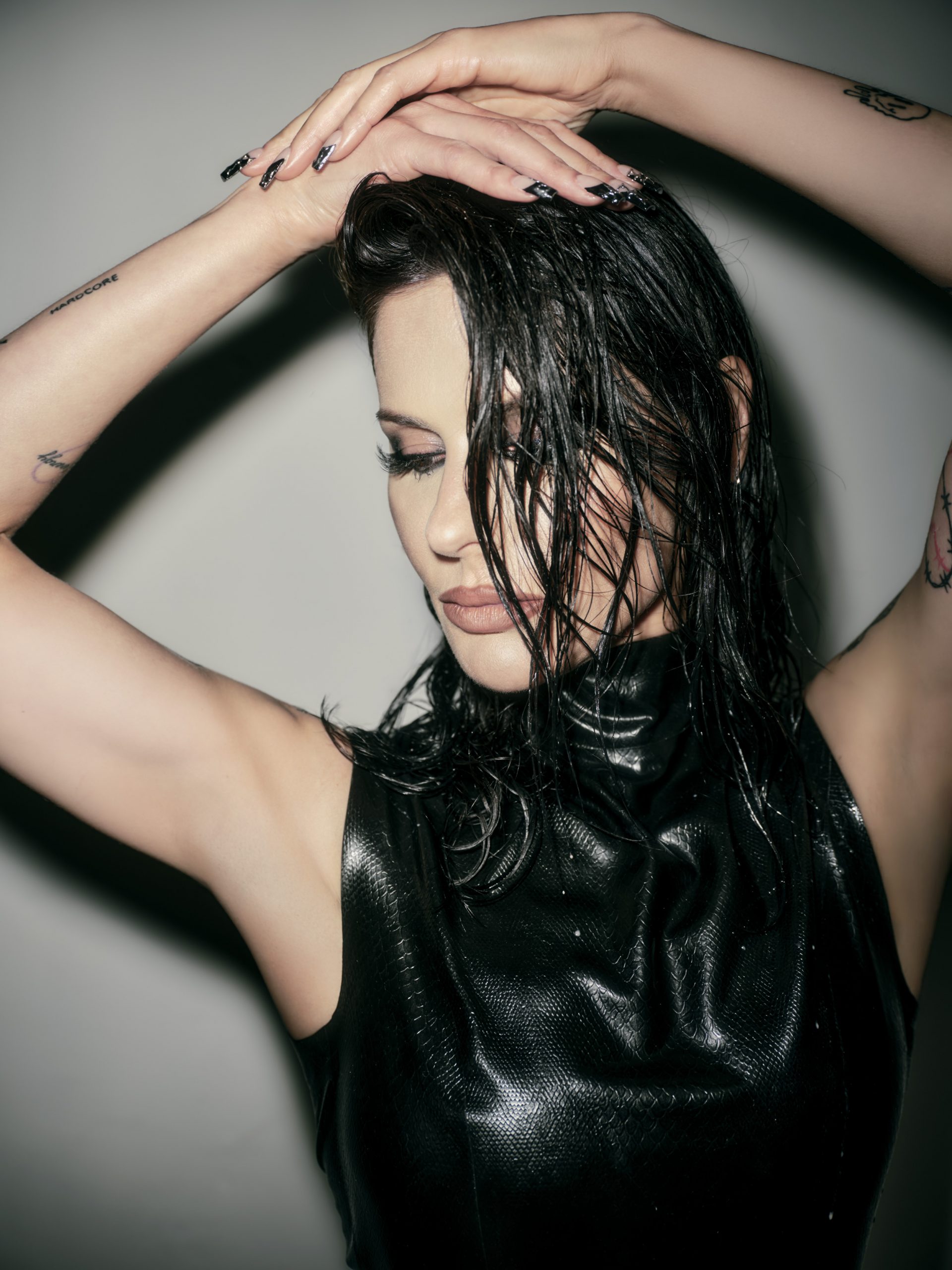
The opening track Loading Mainframe feels almost cinematic. Was there a conceptual narrative behind the album?
Yes, I was playing with the theme of industrialisation. I love sci-fi films, so it felt natural to open the album with that atmosphere, also referencing where we are heading with AI and robotics.
You collaborate with artists like Hellish, Malke and Reiner Zonneveld. How did those collaborations shape the album?
Each collaboration brought something different. Malke has been a long-time collaborator and helped shape the harder sound. Hellish brought a fresh perspective, and Reiner helped complete a track that became an acid, Prodigy-inspired anthem. Overall, each track adds different dynamics to the album
Hard techno tempos are getting faster. Is this a natural evolution or a risk for the scene?
It’s a natural progression. As hardcore influences grow, tempos increase. But I think we’re reaching the limit now. With the return of Schranz and bounce sounds, tempos might stabilise. Maybe the next movement will even go back to house.
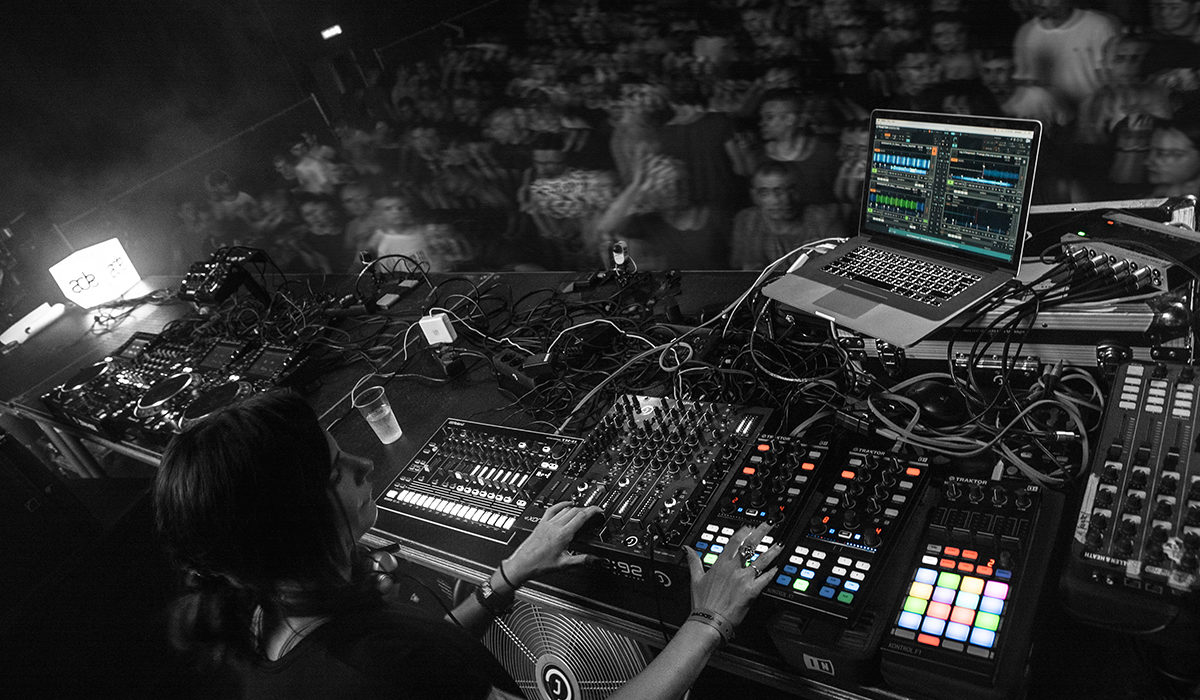
You grew up influenced by the Birmingham techno scene. What has been gained and what has been lost today?
Techno will always have its place. It needed a shake-up, but now there’s a lot happening within it. It’s harder to find something truly new, but every now and then something appears that pushes boundaries again.
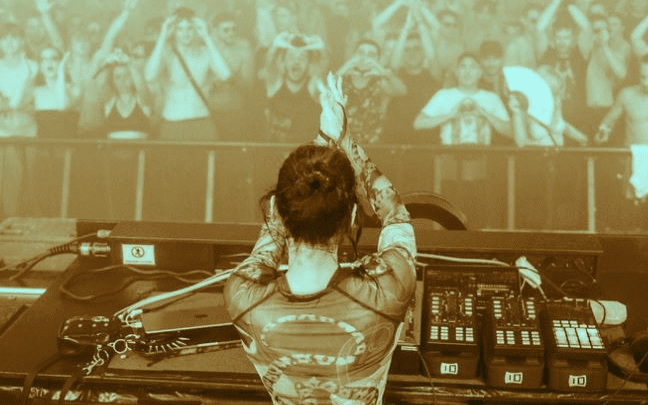
There’s a debate around commercialization and viral techno culture. How do you navigate that?
After covid it was difficult. I had to remind myself not to become closed-minded. Younger generations consume music differently, and they are shaping the future of the scene. Social media has changed everything, but artists can still find authentic ways to connect.
You’ve been very vocal about misconduct in the industry through #ForTheMusic. What pushed you to speak up?
The realisation that the same experiences were still happening to young girls in the industry. Nothing had changed in 30 years. This is about human rights and safety, not career.
Do you feel the culture is finally starting to change?
We are possibly in the biggest MeToo moment of dance music right now. Promoters are taking action, and the new generation is applying pressure. The audience has power, and they are demanding accountability.
Did you expect the impact your voice would have?
I knew it would be controversial. I gained support but also lost relationships. Back in 2020 the scene wasn’t ready. Now things have changed — there is far more support for victims and accountability.
What changes are still needed in the industry?
Zero tolerance policies across all sectors. Proper reporting systems. This is a health and safety issue, and until we treat it like that, we won’t see real change.
NOTICIAS RELACIONADAS