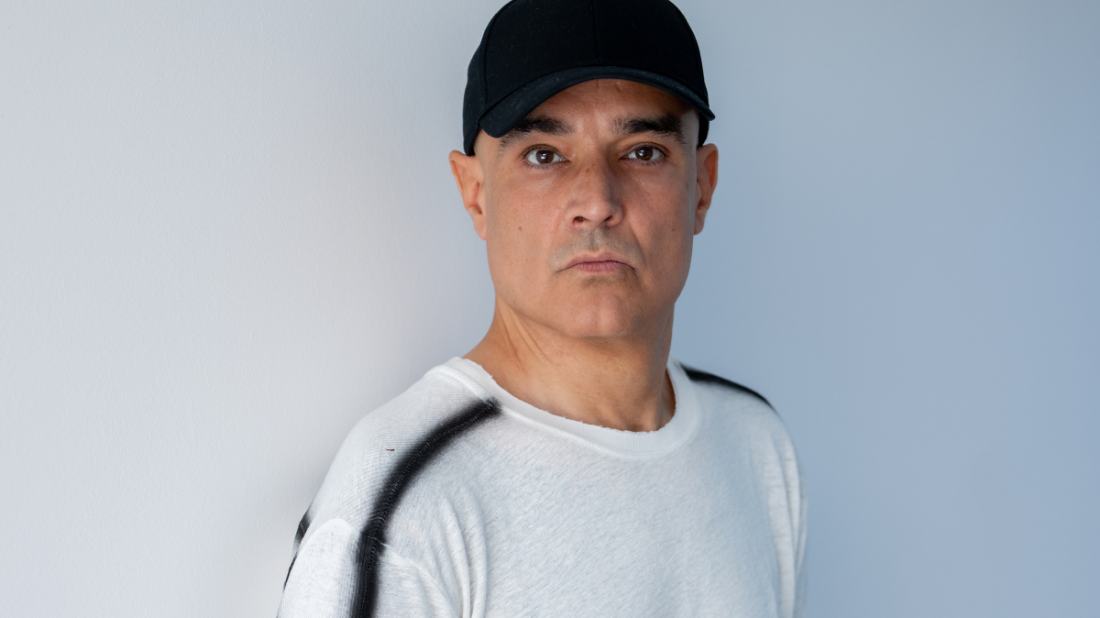

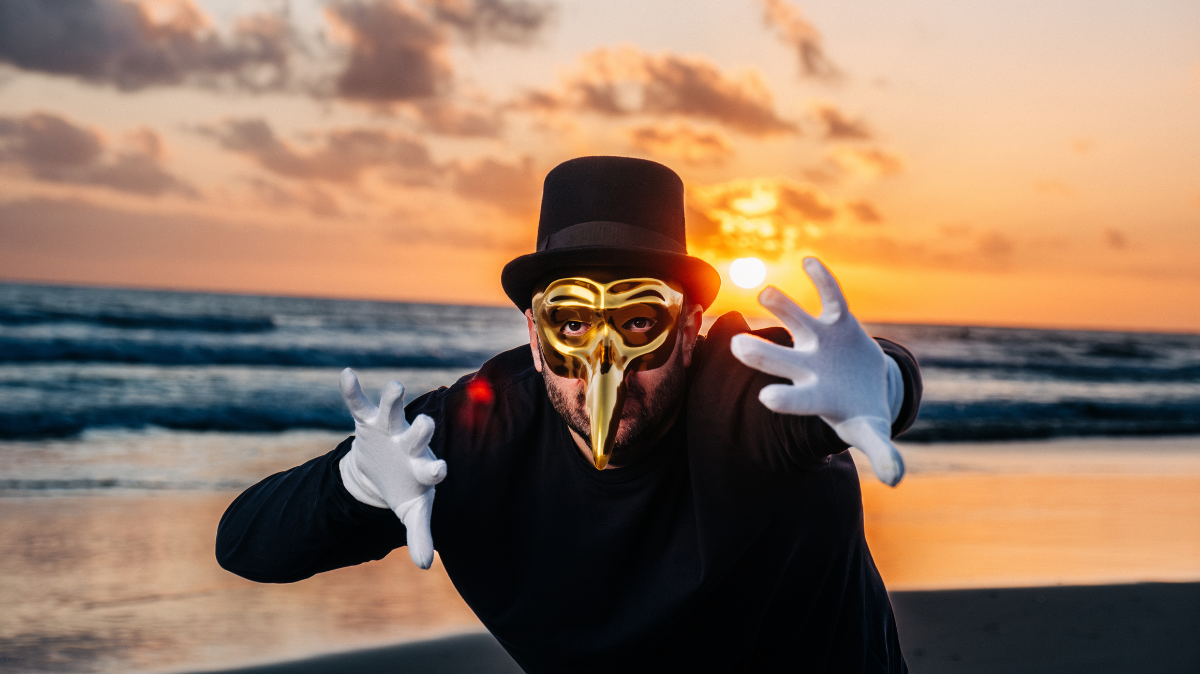
CLAPTONE: MISTERY, FREEDOM AND THE ART OF BUILDING A NIGHT IN IBIZA.
Some artists explain a season through numbers, sold-out nights or big moments behind the booth. Claptone seems to understand nightlife from somewhere else: mystery, imagination and the way a dancefloor can become its own world for a few hours.
This summer, The Masquerade returned to Chinois Ibiza for its second season, consolidating a residency that exists somewhere between club night, theatre, ritual and collective experience. For Claptone, the key is not to over-explain the concept, but to keep alive that space where music and mystery leave enough room for each person to create their own story.
The release of his album Wanderer also brought a new emotional layer to the season. A body of work built around movement, searching and transformation — ideas that naturally connect with Ibiza: an island where people arrive, lose themselves, change and often leave feeling slightly different.
In this conversation, we speak with Claptone about building a weekly residency, protecting intimacy inside a club, the role of mystery in an industry obsessed with visibility, and why Ibiza should never lose its spirit of freedom.

The Masquerade returned to Chinois for a second season this summer. The first year was about introducing the concept into the room — what did you want to change, refine or protect this year?
The first season was all about creating an intimate but mysterious environment inside Chinois. The Masquerade should never feel completely explained. This year, we had that knowledge, so we could experiment a little more. I wanted to refine the details without losing the spontaneity.
A weekly residency in Ibiza is not just one big night, it is a story told over months. How do you stop The Masquerade from becoming routine, even when it happens every Saturday?
I approach creating and curating the residency in the same way that I would approach creating an album. It’s all about the story. You need to listen to the room and reflect. Some nights are darker, some are more euphoric. Separate strands woven together with elements of consistency.
Chinois is an intimate club, but this year the new screen setup has changed the visual weight of the room. Did that make you rethink how The Masquerade should look and feel inside the venue?
Definitely. Chinois has a very particular intimacy, and I don’t want the visuals to overpower that. The screen gives us another language to play with, but it has to serve the atmosphere rather than become the atmosphere.
The Masquerade has always lived somewhere between club night, theatre and ritual. Where do you draw the line between creating a show and still leaving enough space for the dancefloor to be the main character?
I think, in that question, lies the point. The Masquerade blends all these different forms to create its own entity. When created thoughtfully and with care, the show and the dancefloor should blend together as one. So, I wouldn’t say that it’s necessarily about leaving ‘space’ for the dancefloor but building a world around it with the music, the visuals, and the mystery.
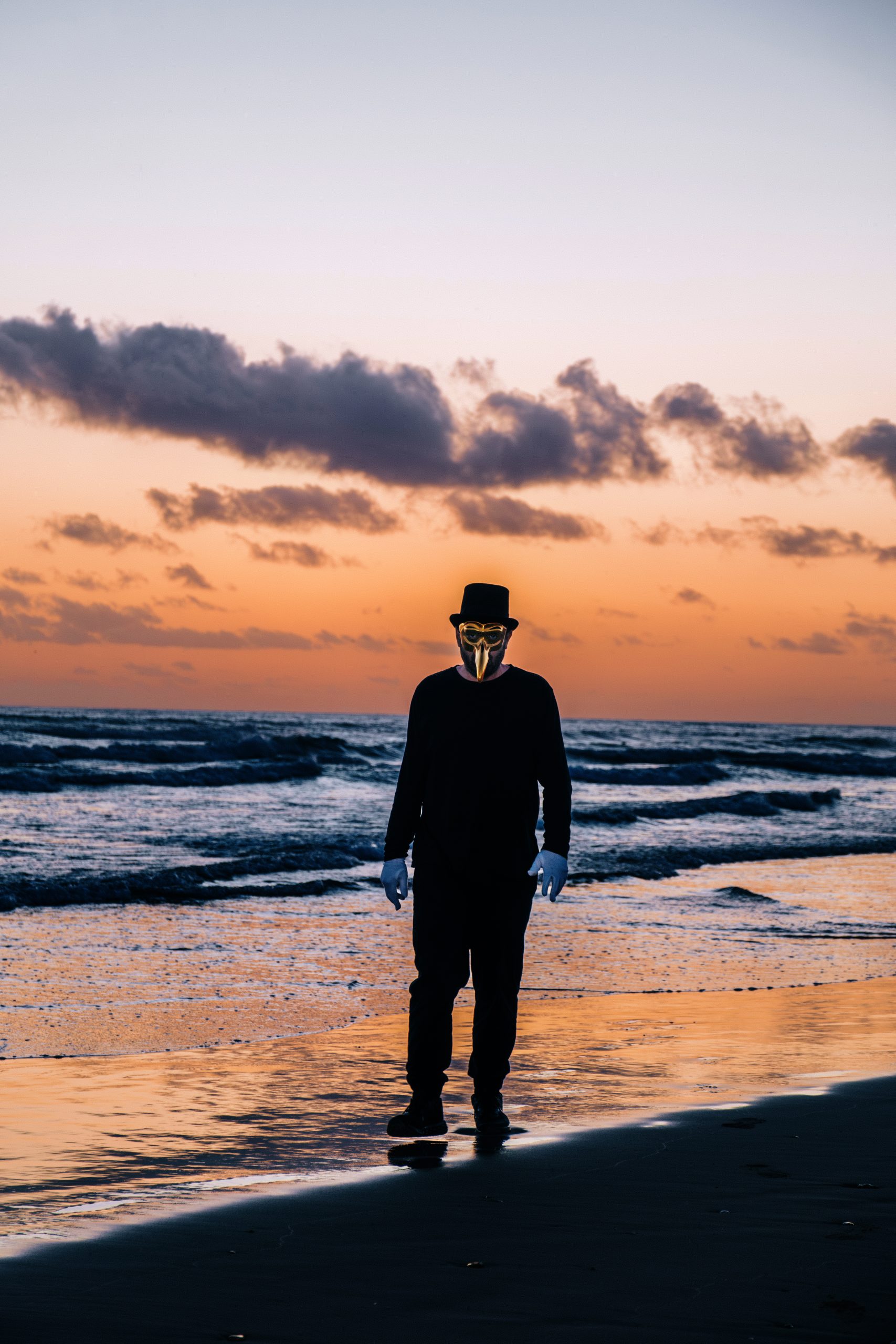
Your mask creates distance, but your music is built for connection. After all these years, do you feel the mystery around Claptone makes the crowd come closer rather than further away?
The mask puts more attention on the music and the experience, as opposed to the idea of celebrity. You can still connect with the Claptone concept while keeping the mystery. It creates more space for imagination and perhaps that makes the connection even more personal for each individual.
You released Wanderer this spring, just before the Ibiza season fully opened. Did arriving in Ibiza with a new album change the emotional tone of your sets this year?
A little, yes. When you release an album, you spend a long time living inside its world, so naturally you take those experiences with you into every show. There are so many wonderful remixes of tracks from the Wanderer album, too. A-Trak, Antdot, Marco Lys, Crusy Alexander Som, Cassim, Ronnie Spiteri… to name just a few! These really help bring the vision of the album to life on the dancefloor – and particularly in Ibiza.
Having said that, the album is just one part of the story. The music at The Masquerade is an amalgamation of emotions, experiences and memories, both old and new.
Wanderer suggests movement, searching and transformation. Ibiza is also a place where people arrive, leave, change and return. Do you feel the island understands that idea of wandering better than other places?
You can arrive as one person in Ibiza and leave feeling slightly different. There is something about the island that allows people to step outside their normal lives for a while. That feeling of transformation is very close to the spirit of Wanderer. It also reflects the mission of The Masquerade, giving you the opportunity to lose yourself for the night.
The album is a full body of work in a time where music is often consumed track by track. What still makes the album format important for you as an artist?
It’s all about the journey. A single tends to take you to one place emotionally… but an album can take you to many different stops along the way. You can create tension, release, darkness, lightness, movement. That’s a much more interesting story.
 You have played many different chapters in Ibiza over the years. What has the island taught you about crowds, timing and the art of holding a room?
You can’t force a moment. It’s all about understanding the room and knowing what people came for – but also knowing when to introduce them to something that maybe they didn’t quite expect. You need to build trust with your audience to do that. Timing is everything.
Ibiza changes every year, sometimes very fast. What do you think the island should never lose, no matter how much the industry around it evolves?
It’s spirit and freedom. To me, Ibiza is all about escape and allowing people to step outside of their day-to-day lives and be who they really want to be. The industry in Ibiza will continue to evolve, of course, but it shouldn’t be treated like a mass-market product. There needs to remain a place for originality.
If this season of The Masquerade at Chinois had to be remembered by one feeling — not one number, not one sold-out night, but one feeling — what would it be?
I would say freedom. The freedom to step outside your everyday life for a few hours and enter a world where the music, the mystery and the dancefloor take over.
Between the mask, the music and the world of The Masquerade, Claptone speaks about an Ibiza that can still work as a form of escape: a place where the dancefloor should feel less like consumption and more like experience.
What follows is a conversation about mystery, transformation, albums, residencies and the human connection that should never disappear from a real dancefloor.
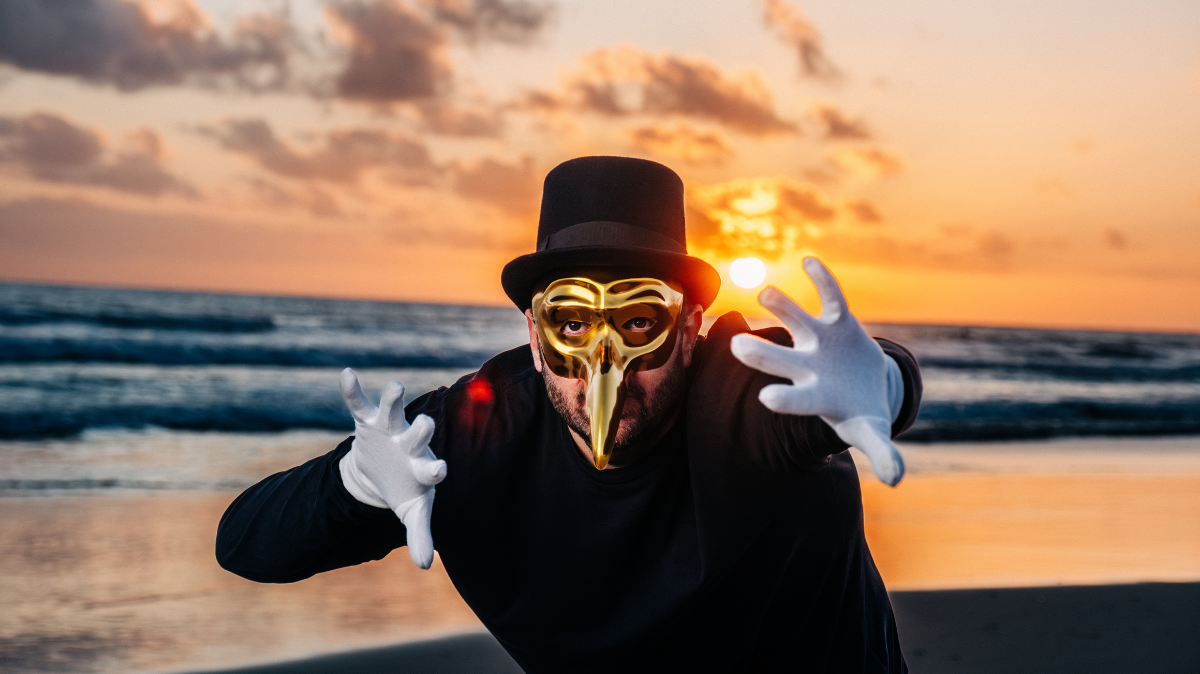 QUICK Q&A SECTION
1. What is the biggest misconception people still have about Claptone?
That there is something to hide!
2. In a world obsessed with visibility, what has the mask taught you about mystery?
Not everything needs to be revealed or publicised. Imagination means creative vision and discovery.
3. What does Ibiza still understand about nightlife that the rest of the world often forgets?
That nightlife is about experience, not consumption. It is about being present enough to lose yourself, if that makes sense? Sharing a moment with strangers, letting the music take you somewhere.
4. If The Masquerade was not a party, but a feeling, what would it be?
See answer above!
5. What should never disappear from a real dancefloor?
The human connection.
Catch Claptone & The Masquerade every Saturday at Chinois until October 3rd.
Tickets and line ups here: https://chinois.com
NOTICIAS RELACIONADAS